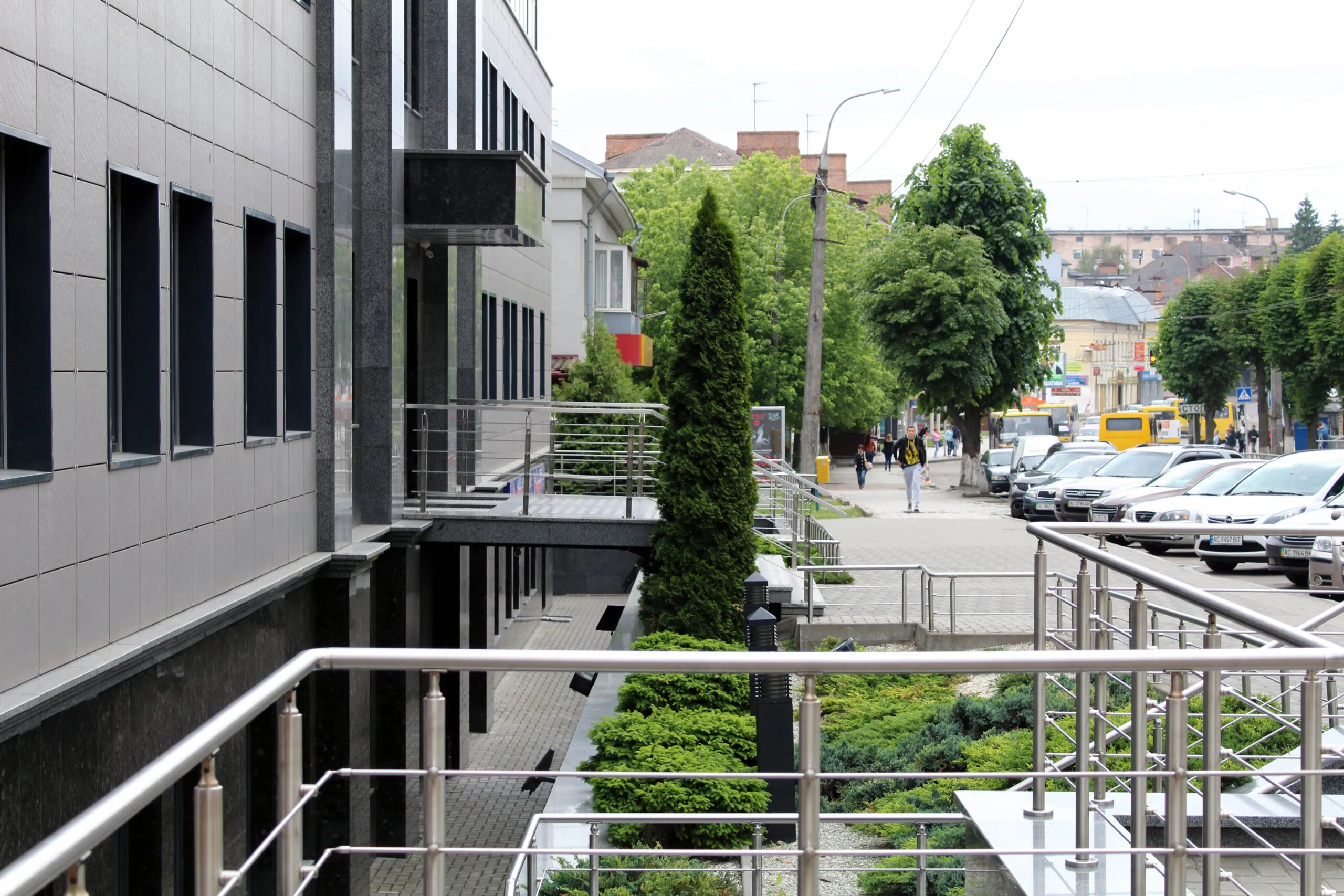
Just a few years ago, the stability of the power supply was rarely a deciding factor when choosing an office. Today, it is one of the most important criteria for businesses in Ukraine. A business that grinds to a halt every time there’s a power outage loses money, customers, and its reputation. This article explores what makes an office truly self-sufficient and why this is no longer a luxury but a necessity.
Why Autonomy Has Become Critical
A simple calculation. Imagine a team of 10 people earning an average salary. Every hour of downtime represents not only labor costs, but also:
- missed deadlines and scheduled client meetings;
- inability to respond to incoming inquiries, which may cause customers to turn to competitors;
- stopping processes and then "catching up" by running them overtime;
- additional workload, stress, and the risk of team burnout.
If outages occur regularly—even for just a few hours at a time—dozens of hours of downtime can accumulate over the course of a month. This represents a direct loss to the business, which often exceeds the savings from a cheaper lease.
What makes an office self-sufficient?
1. Independent power supply
A basic condition for autonomy. This could be:
- diesel generator — ensures power during prolonged outages;
- uninterruptible power supply (UPS) — smooths out brief power outages and protects equipment from power surges;
- A dedicated electrical panel—allows you to control the power supply regardless of external factors.
The ideal solution is a combination of a UPS for immediate power transfer and a generator for extended operation.
2. Independent Heating
Central heating is turned on according to the housing office’s schedule, not when you feel cold. The business center’s own boiler room solves this problem: heat is available when you need it, regardless of the city’s schedule. This is especially important during transitional seasons—fall and spring—when centralized heating is not yet or no longer on, and the office is cold.
3. Redundant Internet
One provider means one point of failure. If the provider goes down, your entire online business—email, CRM, calls, and banking—goes down with it. Having 2–3 independent providers means that even if one goes down, you automatically (or manually) switch to another and keep working.
4. Autonomous Safety
Security should not be turned off along with the lights. Video surveillance, alarm, access control, and common-area lighting systems must be powered by backup sources. Otherwise, a power outage becomes not just downtime, but also a window of vulnerability.
How to Check an Office’s Self-Sufficiency Before Renting It
Don’t just take their word for it—ask for specifics:
- ✅ Do you have a generator? What is its capacity? Does it power your office, or just the common areas?
- ✅ How quickly does the backup power supply kick in after a power outage?
- ✅ Central heating or a private boiler room?
- ✅ How many internet service providers are connected to the building?
- ✅ Do the security systems work during power outages?
- ✅ Has the building actually been in operation during prolonged power outages?
💡 The best test: ask how the business center fared during the winters of 2022–2024. Buildings with true energy self-sufficiency will have specific details to share, rather than just general statements.
Autonomy as a Competitive Advantage
Here’s what people often overlook: a self-sufficient office isn’t just about “surviving power outages.” It’s a competitive advantage for your business.
While your competitors are sitting idle, you’re working: taking calls, processing orders, and holding meetings. A customer who can’t get through to a competitor will call you instead. In times of crisis, it’s stability that sets a growing company apart from one that’s merely surviving.
Conclusion
A remote office in 2026 is:
- independent power supply (generator + UPS);
- its own heating system;
- several Internet service providers;
- Security that's always on.
This is an investment not in “comfort,” but in the continuity of your business. And the next time the power goes out across half the city, you’ll feel the difference.
Looking for an office that never stops?
The “Directory” Business Center in Lutsk operates independently: it has its own electrical panel, a rooftop boiler room, internet from three providers, and security that operates 24/7, every day of the week. While others shut down, your business keeps running.


